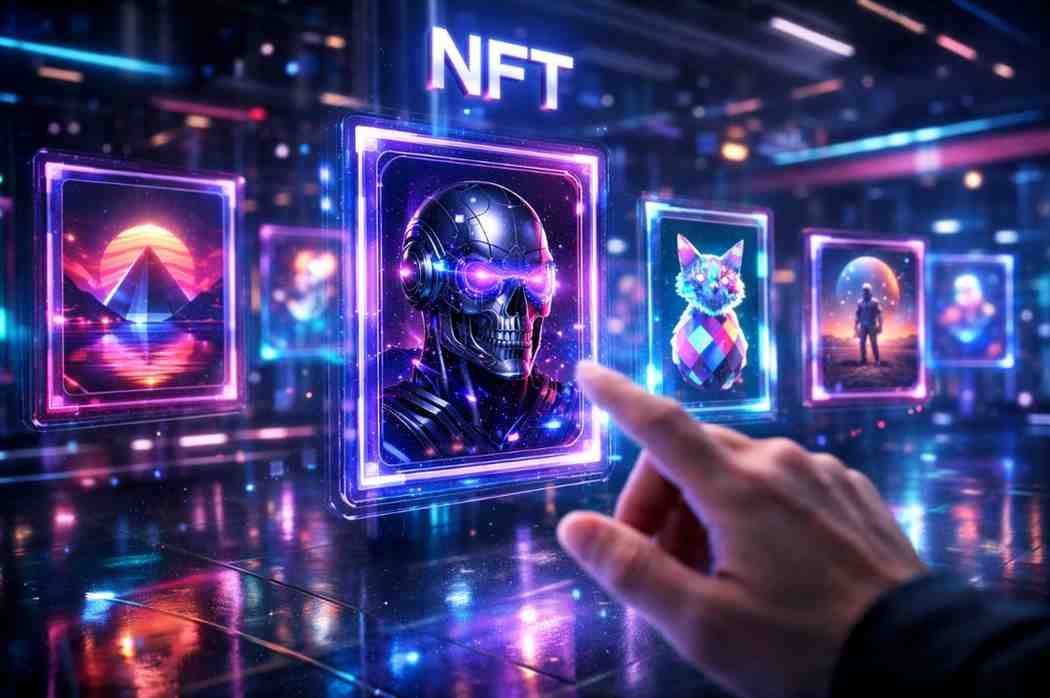
In the past few years, a new phenomenon has taken the digital world by storm: NFTs, or Non-Fungible Tokens. From digital art selling for millions to virtual real estate, NFTs have redefined the way we think about ownership, creativity, and even value in the digital age. But what exactly are NFTs, and why are they so revolutionary?
What Are NFTs?
At its core, an NFT is a unique digital asset stored on a blockchain—a decentralized, immutable ledger that verifies ownership. Unlike cryptocurrencies such as Bitcoin or Ethereum, which are fungible (each Bitcoin is identical to another), NFTs are non-fungible, meaning each one is one-of-a-kind.
This uniqueness allows NFTs to represent digital ownership of items that can range from art, music, and videos to virtual land, collectibles, and even tweets. Essentially, an NFT is a digital certificate of authenticity, proving that a particular digital asset belongs to a specific person.
How NFTs Work
NFTs are built using blockchain technology, most commonly on the Ethereum blockchain, although other blockchains like Solana, Polygon, and Binance Smart Chain also support them.
Here’s a simplified breakdown of how NFTs work:
- Creation (Minting): The process of creating an NFT is called “minting.” During minting, a digital file—like an image, video, or song—is uploaded to a blockchain and turned into a token.
- Ownership: Once minted, ownership of the NFT is recorded on the blockchain. This ledger ensures that the owner is verifiable and that the NFT cannot be duplicated.
- Buying, Selling, and Trading: NFTs can be bought, sold, and traded on specialized marketplaces like OpenSea, Rarible, and Foundation. Transactions are recorded on the blockchain, making them transparent and secure.
- Smart Contracts: NFTs often include smart contracts, which automatically enforce terms such as royalty payments to the creator whenever the NFT is resold.
Uses of NFTs
NFTs are more than just digital art—they have applications across various industries:
- Digital Art and Collectibles: NFTs allow artists to sell their work digitally while retaining royalties on future sales. Famous examples include digital artworks like Beeple’s “Everydays,” which sold for $69 million.
- Gaming: Many games use NFTs for in-game items, skins, and virtual real estate. Players can truly own, trade, or sell items outside the game’s ecosystem.
- Virtual Real Estate: Platforms like Decentraland and The Sandbox allow users to buy, sell, and develop virtual land as NFTs.
- Music and Media: Musicians and filmmakers can sell exclusive digital tracks, videos, or experiences directly to fans using NFTs.
- Identity and Credentials: NFTs could be used for digital identity verification, certifications, or event tickets that are secure and tamper-proof.
Advantages of NFTs
- Proven Ownership: Blockchain provides an unchangeable record of ownership.
- Creator Benefits: Artists and creators can earn royalties every time their NFT is resold.
- Global Market: NFTs can be sold worldwide without intermediaries.
- Digital Scarcity: They create a sense of rarity for digital assets, increasing perceived value.
Criticisms and Controversies
- Environmental Impact: Most NFTs are on proof-of-work blockchains like Ethereum, which consume large amounts of energy.
- Market Speculation: Many NFTs are purchased as investments, leading to extreme price volatility and speculation bubbles.
- Intellectual Property Issues: NFT ownership doesn’t always mean copyright ownership, leading to legal ambiguities.
- Scams and Fraud: Fake NFT projects, rug pulls, and stolen art have been prevalent in the space.
The Future of NFTs
The NFT market is still evolving. Beyond collectibles and art, NFTs may play a role in:
- Metaverse economies: Digital assets in virtual worlds.
- Tokenized real-world assets: Property, luxury goods, or even stocks represented as NFTs.
- Social media and content monetization: Allowing creators to monetize content in new ways.
While skeptics remain, NFTs have undeniably opened a new frontier for digital ownership, creativity, and finance.
Conclusion
NFTs are not just a passing trend—they are a paradigm shift in how we perceive ownership in the digital world. They combine technology, art, finance, and social interaction in a unique way, giving creators new opportunities and audiences new ways to engage with content.
Whether you see NFTs as the future of art and collectibles or a speculative craze, one thing is certain: they have changed the conversation about value, authenticity, and digital identity forever.