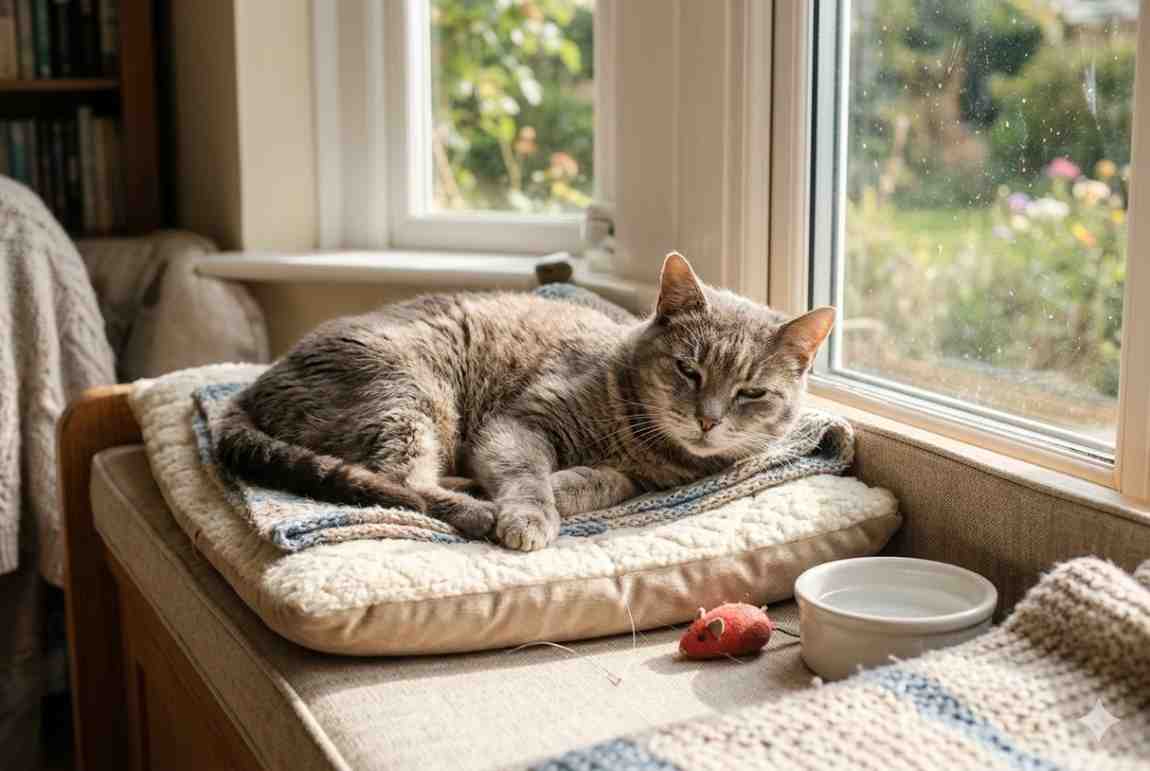
Cats are beloved companions, and as they age, their needs change significantly. Just like humans, senior cats require extra attention, specialized nutrition, and regular veterinary care to maintain quality of life. Caring for an older cat involves understanding the physical, emotional, and medical challenges they may face.
Understanding Senior Cats
Cats are generally considered senior at around 7–10 years old, although the exact age can vary depending on breed, size, and lifestyle. As cats age, they may experience:
- Decreased mobility and muscle mass
- Changes in appetite or digestion
- Dental issues
- Reduced vision or hearing
- Increased susceptibility to chronic conditions such as kidney disease, hyperthyroidism, or arthritis
Recognizing these signs early can help prevent complications and improve your cat’s comfort and longevity.
Nutrition for Senior Cats
Proper diet is one of the most important aspects of senior cat care:
- High-Quality Protein: Older cats need easily digestible protein to maintain muscle mass. Look for food labeled for “senior” cats.
- Controlled Calories: Senior cats are often less active, so caloric intake may need to be adjusted to prevent obesity.
- Joint Support: Foods with added omega-3 fatty acids or supplements can help reduce inflammation and support mobility.
- Hydration: Kidney function declines with age, so wet food or increased water intake is essential.
- Digestive Health: Fiber can help with constipation, a common issue in senior cats.
Always consult your veterinarian before making major dietary changes, especially if your cat has chronic health conditions.
Health Care & Vet Visits
- Checkups: Schedule vet visits at least twice a year. These visits can detect early signs of illness.
- Dental Care: Dental disease is common in older cats, so routine teeth cleaning and checkups are essential.
- Vaccinations: Keep vaccines up to date, but consult your vet about modified schedules for older cats.
- Blood Work & Urinalysis: Screening for kidney, liver, and thyroid issues can catch diseases before symptoms appear.
- Medication Management: Some senior cats may require daily medications for chronic conditions such as arthritis or diabetes.
Comfort & Lifestyle
Older cats benefit from adjustments in their living environment to accommodate reduced mobility:
- Easy Access: Provide ramps or steps to help them reach favorite resting spots.
- Warm Beds: Arthritis and joint pain are alleviated by soft, warm bedding.
- Litter Boxes: Low-sided litter boxes are easier for senior cats to use. Keep them clean and easily accessible.
- Mental Stimulation: Gentle play, scratching posts, and puzzle feeders can keep your senior cat’s mind active.
- Routine: Older cats thrive on consistent routines and familiar spaces.
Signs of Aging to Monitor
Being proactive can help improve your senior cat’s quality of life. Watch for:
- Sudden weight loss or gain
- Changes in appetite or drinking habits
- Increased vocalization or behavioral changes
- Difficulty jumping, climbing, or grooming
- Changes in litter box habits
Any of these signs warrant a veterinary check-up to rule out underlying health issues.
Emotional Well-being
Senior cats may become more attached to their human companions or more cautious in new environments. Maintaining affection, attention, and gentle interaction is essential:
- Cuddles and gentle petting can provide comfort and reassurance.
- Quiet environments reduce stress for aging cats who may be sensitive to noise.
- Companion animals: Some senior cats enjoy the company of another calm pet, though introductions should be managed carefully.
Conclusion
Caring for a senior cat is about balancing health, comfort, and enrichment. With attentive nutrition, regular veterinary care, a supportive environment, and plenty of love, your older cat can enjoy their golden years with vitality and happiness.
Senior cats may move more slowly, but their bond with you grows stronger with age—providing a lifetime of companionship and joy.